
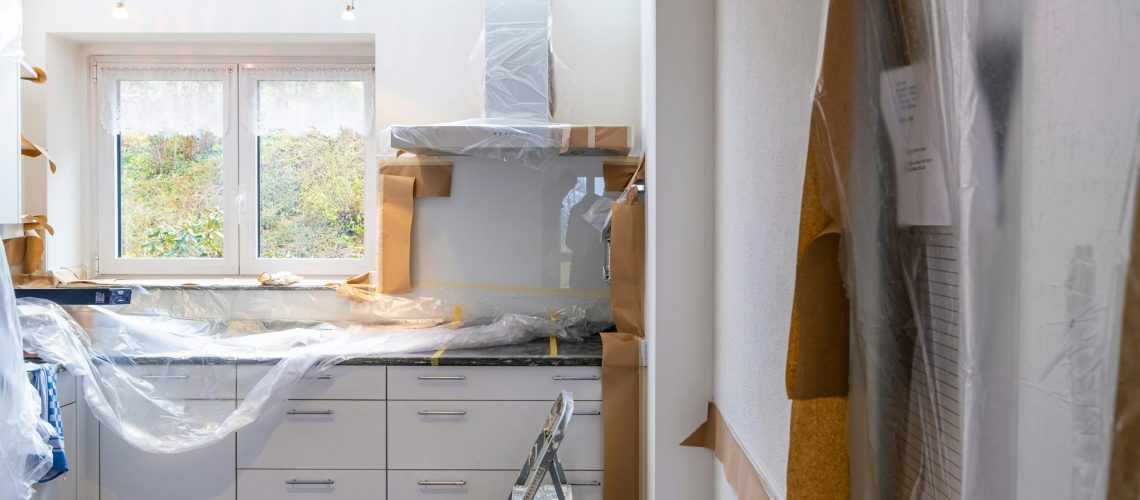
Planning a home renovation can be exciting, but it often comes with one big concern: how to manage the budget without surprise expenses. Many homeowners start projects with a general idea of costs, only to find that small details, material choices, or project changes can quickly add up.
If you’re preparing for Morris remodeling, understanding how to plan your budget carefully can make the entire process smoother and far less stressful. This guide explains what factors influence renovation costs, how to build a realistic budget, and what steps can help you avoid unexpected financial surprises during a project.
Start With Clear Renovation Goals
One of the most effective ways to control a remodeling budget is to begin with clearly defined goals. When homeowners jump into projects without a clear scope, it becomes easier for costs to grow beyond expectations.
Ask yourself a few important questions before planning:
- Which areas of the home need improvement the most?
- Are you renovating for functionality, aesthetics, or both?
- What parts of the home must be completed now versus later?
For example, someone planning interior and exterior home remodeling in Morris County NJ may initially want to update multiple spaces. However, narrowing the project down to the most essential upgrades first can help keep the budget manageable while still improving the home.

Research the Scope of Work Before Setting a Budget
A common mistake homeowners make is setting a budget before understanding the full scope of work required. Different types of renovation projects can involve several stages, including planning, demolition, installation, finishing work, and inspections.
Working with professionals who provide home renovation services in Morris County NJ can help clarify what the process actually involves. For instance, remodeling a kitchen may include cabinetry updates, plumbing adjustments, electrical work, flooring changes, and finishing details.
When the scope is clearly outlined, it becomes much easier to estimate the resources needed and build a more accurate budget.
Include a Contingency Fund for Unexpected Issues
Even the most carefully planned projects can encounter surprises. Older homes, in particular, may reveal hidden issues once walls, floors, or structural elements are opened during renovation.
Common unexpected issues can include:
- Outdated electrical systems
- Plumbing adjustments that were not initially visible
- Structural repairs behind walls or ceilings
- Moisture or insulation problems
Setting aside a contingency fund helps ensure these discoveries do not disrupt the entire project. Many homeowners find that reserving a small portion of their renovation budget for unforeseen issues can make the process much less stressful.
Prioritize Materials and Long-Term Value
Material choices play a major role in any remodeling budget. While design preferences matter, durability and long-term value should also guide your decisions.
For example, when planning projects with residential remodeling contractors in Morris County, homeowners often compare different materials based on:
- Longevity and maintenance requirements
- Energy efficiency benefits
- Compatibility with the home’s structure
- Overall design goals
Balancing aesthetics with practicality can help ensure that upgrades continue to perform well long after the project is complete.
Plan the Timeline Carefully
Budget planning is closely tied to scheduling. When renovation timelines extend longer than expected, additional costs related to labor coordination, scheduling changes, or material availability may arise.
This is particularly important for homeowners planning Morris remodeling, where multiple project phases—such as roofing, siding, kitchens, or basement upgrades—may overlap.
Creating a clear timeline for each stage of the project helps keep everything organized and reduces the chances of unexpected delays that could impact the budget.
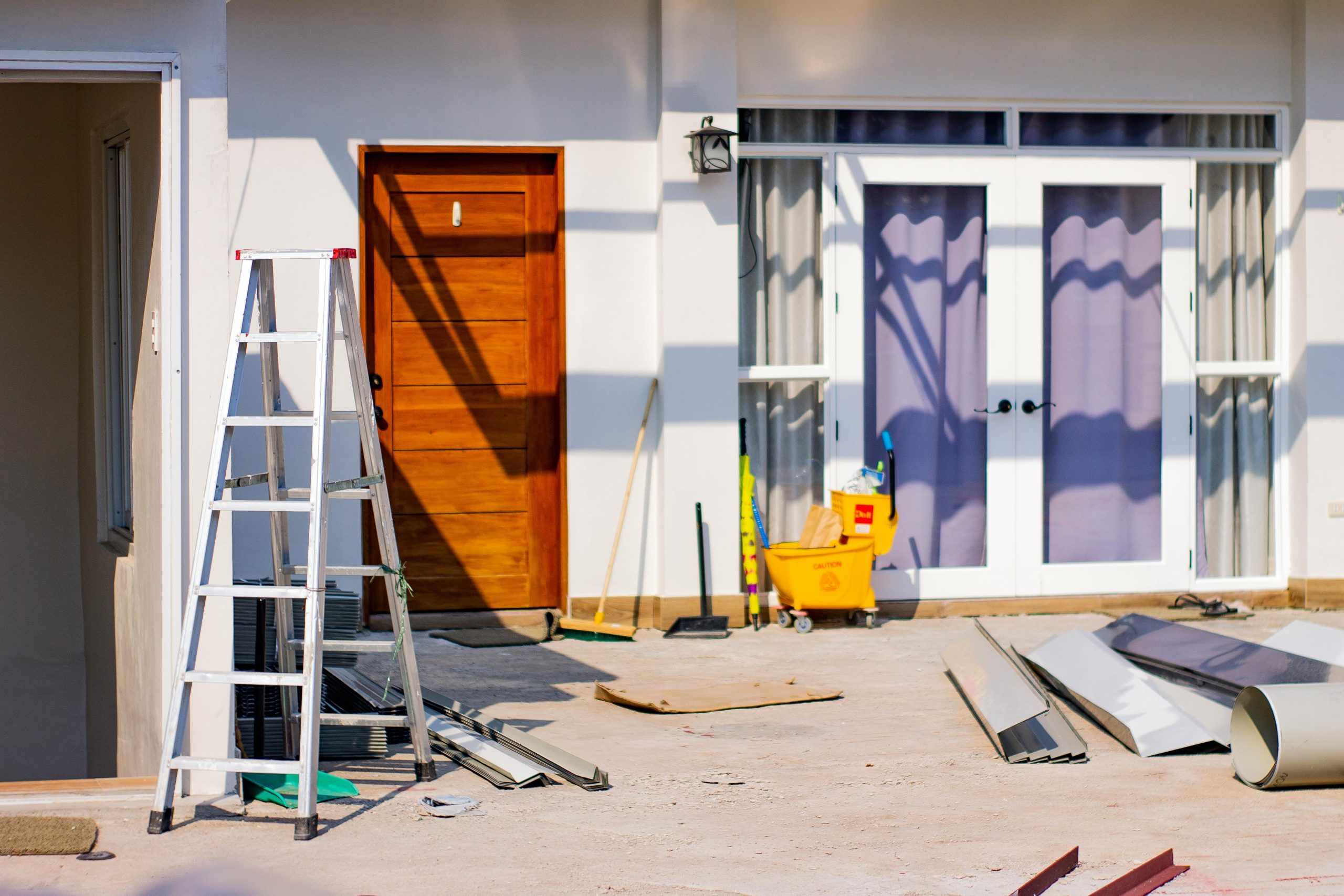
Why Budgeting for Remodeling Can Feel Challenging
Budgeting for renovation projects can feel complicated because every home is different. Hidden structural conditions, evolving design ideas, and unexpected repairs can all influence the final outcome of a project.
Many homeowners also find it difficult to estimate costs accurately without experience in construction planning. That’s why careful preparation, clear project goals, and thoughtful planning can make a significant difference in keeping a renovation on track.
Professionals who work regularly in interior and exterior home remodeling in Morris County NJ understand how projects evolve and can help homeowners think through details they might not initially consider. Having guidance and clear communication throughout the planning stage often reduces stress and confusion later on.
Key Takeaways
Creating a renovation budget doesn’t have to feel overwhelming. By defining clear goals, understanding the full scope of work, planning for unexpected issues, and choosing materials carefully, homeowners can approach remodeling with greater confidence.
Thoughtful planning helps ensure that Morris remodeling projects stay organized and manageable from start to finish. Taking the time to prepare early can make the renovation experience smoother and help homeowners enjoy the results of their improvements without unnecessary financial surprises.
If you’d like to learn more or explore support options, Homeland Roofing & Siding is available to help.
Quick FAQ
How much planning should go into a remodeling budget?
Budget planning should start before any construction begins. Understanding the project scope, materials, and timeline helps create a more accurate financial plan.
What are common unexpected costs during renovations?
Unexpected issues may include hidden structural repairs, plumbing adjustments, electrical upgrades, or moisture-related problems discovered during construction.
How can homeowners avoid budget overruns during remodeling?
Clear planning, prioritizing essential upgrades, and setting aside a contingency fund can help reduce the risk of budget surprises.
Should homeowners plan projects in phases?
Yes. Breaking larger renovations into phases can help homeowners manage both scheduling and budgeting more effectively while still achieving long-term goals.