
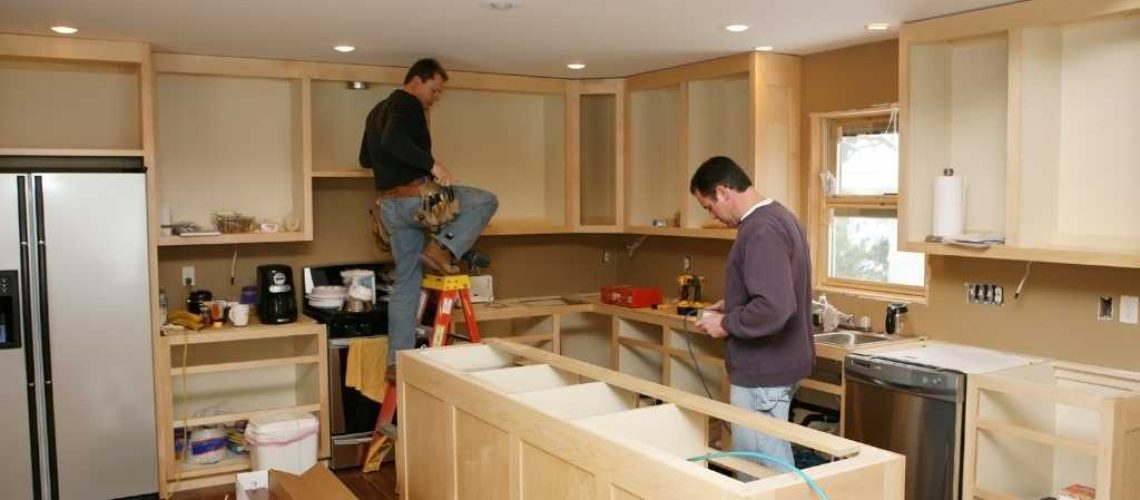
Most homeowners start a kitchen renovation with a number in mind, and end up spending more than they planned. That’s not necessarily the result of poor planning or working with the wrong people. In many cases, it comes down to a handful of predictable patterns that catch homeowners off guard because they weren’t visible at the start of the project.
Understanding what typically drives budget problems in Morris County kitchen remodeling projects can help you plan more accurately, set realistic expectations, and make decisions that keep costs on track from beginning to end.
Scope Changes After Work Has Already Begun
This is the single most common source of budget overruns in kitchen renovations, and it’s almost entirely avoidable with early planning. When a homeowner decides mid-project to extend the island, add a second sink, upgrade to a different cabinet line, or change the tile selection after demolition has started, the cost impact is almost always larger than it would have been if the same decision had been made upfront.
The reason is straightforward: changes made during active construction require rescheduling labor, returning or reordering materials, and sometimes undoing work that’s already been completed. Each of those steps adds cost and time.
The most effective safeguard is finalizing every design decision, including finishes, fixtures, and layout, before any physical work begins. It can feel slow to spend weeks in the planning phase, but it’s where the most meaningful budget protection happens in kitchen renovation costs in Morris County NJ.
What’s Found Behind the Walls
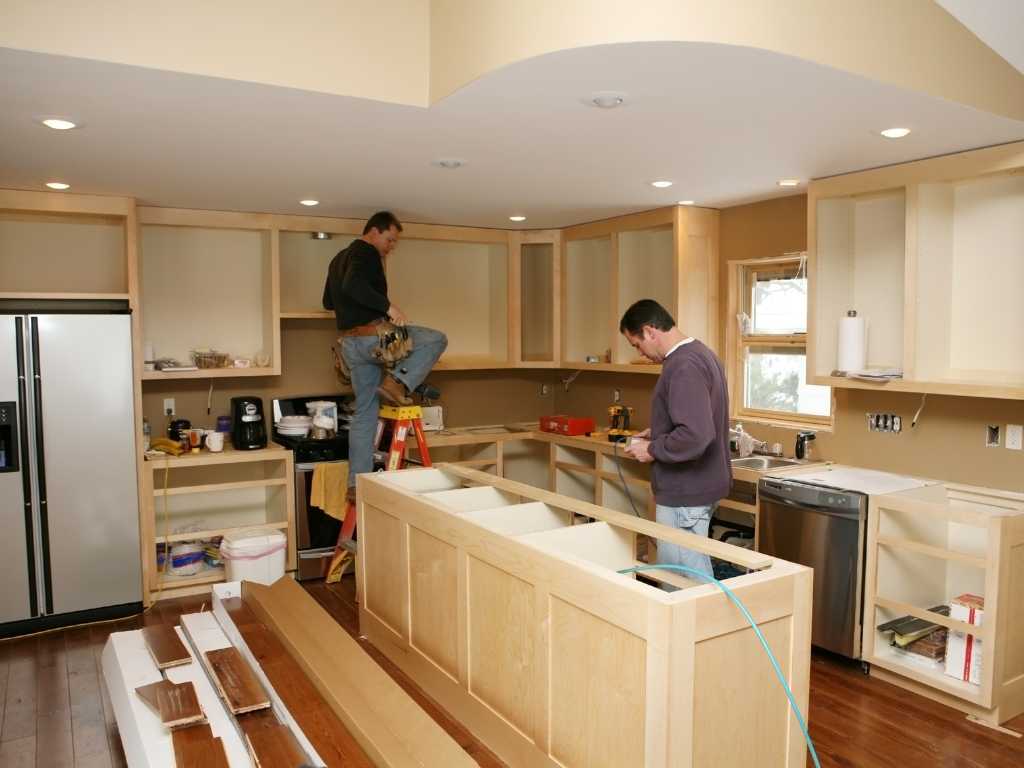
Older homes in Morris County were built under different codes, with different materials, and to different standards than what’s expected today. When walls open up during a kitchen gut renovation, it’s not uncommon to find conditions that require attention before the new work can proceed.
Outdated Electrical Wiring
Knob-and-tube or aluminum wiring, undersized panels, and circuits that don’t meet current code for kitchen loads are among the most frequent findings. Modern kitchens demand significantly more electrical capacity than most older homes were originally designed to provide. When this work is needed, it adds to the project scope, but it also needs to happen for safety and code compliance reasons.
Plumbing That Doesn’t Meet Current Standards
Galvanized pipes, aging drain lines, or supply lines in poor condition are another common discovery. If your renovation involves any plumbing work, relocating a sink, adding a dishwasher connection, or putting in a pot-filler, existing plumbing conditions may need to be brought up to standard as part of the process.
Subfloor or Structural Issues
Water damage from years of minor leaks, soft spots in the subfloor, or rot near the sink area are issues that can’t be left unaddressed. When found, they need to be resolved before new flooring or cabinetry goes in. Most experienced Morris County NJ kitchen remodeling contractors build a contingency into project estimates for exactly this reason, and homeowners should do the same when setting their own budget.
Underestimating What a Full Renovation Actually Includes
Homeowners sometimes build a budget around the visible elements, cabinets, countertops, appliances, and backsplash, without fully accounting for everything else that goes into a complete kitchen renovation. Labor, permits, demolition and debris removal, drywall repair, painting, lighting, and hardware all add up, and they’re easy to undercount in early estimates.
A useful exercise before finalizing any budget is to list every single category of work involved in the project and assign a placeholder number to each one, even if it’s approximate. This forces the full picture into view and makes it easier to spot where your original estimate may have gaps.
How Material Selections Drive Cost More Than Most People Expect
Custom kitchen remodeling in Morris County gives homeowners a wide range of material choices, and the cost differences between options at various tiers can be substantial. Cabinet lines, countertop materials, flooring, and appliances all exist at multiple price points, and upgrading one category often creates a visual mismatch that makes other categories feel like they need upgrading, too.
This isn’t a reason to avoid quality materials. It’s a reason to set a clear priority list before you begin selecting anything. Decide which elements of the kitchen matter most to you functionally and aesthetically, and concentrate your budget there. Being intentional about where you invest and where you’re comfortable with a more practical option keeps the overall project in range.
The Role of Timing and Contractor Availability
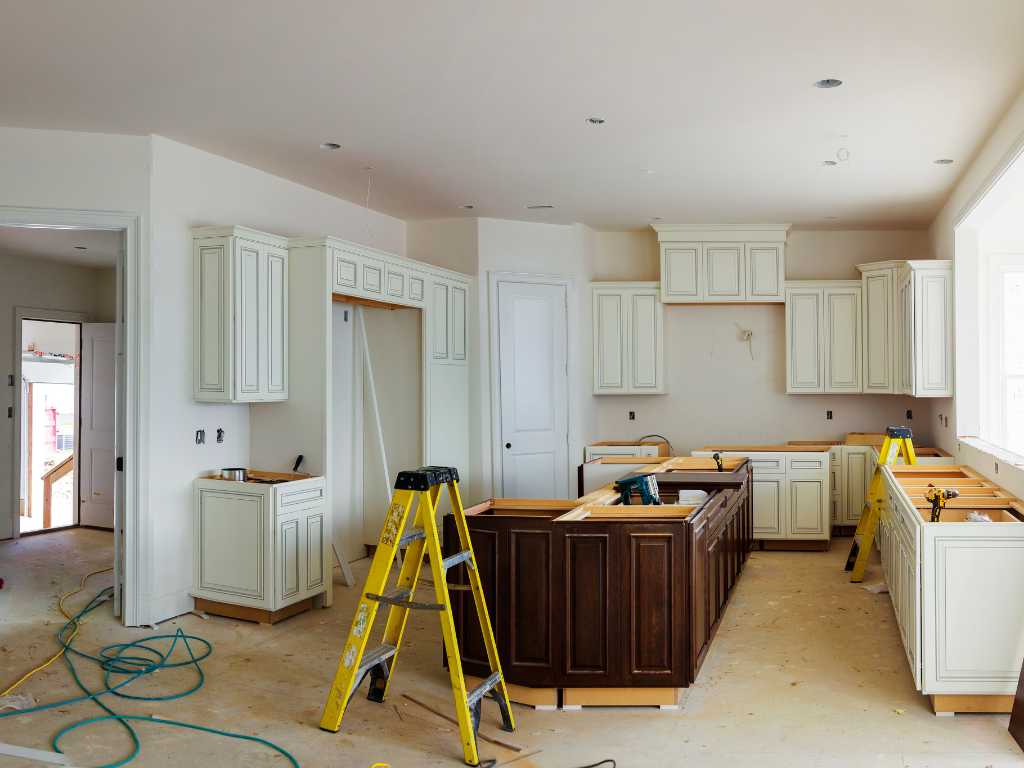
Kitchen renovation costs in Morris County, NJ, can be affected by when you schedule the work, not just what the work involves. Contractors are typically busiest in spring and early summer, which means higher demand and sometimes longer waits for scheduling. Planning a project for a less competitive window, when possible, gives you more flexibility and more time to make deliberate decisions without feeling rushed.
Rushing to start a project before you’re fully prepared, because you’ve already committed to a contractor start date, is a common source of scope changes and added costs. The planning phase should be complete before the schedule is locked in, not the other way around.
Why Budget Surprises Happen Even With Good Intentions
It’s worth saying clearly: budget overruns in kitchen renovations rarely happen because a contractor wasn’t upfront or a homeowner wasn’t paying attention. They happen because kitchens are genuinely complex projects with a lot of variables, and some of those variables are simply invisible until work is underway.
What separates a well-managed project from a stressful one isn’t the absence of surprises. It’s having a plan for how to handle them. Homeowners who build a reasonable contingency into their budget, make decisions early, and communicate openly with their contractor are consistently better positioned to navigate unexpected findings without significant disruption.
Planning Ahead Protects Your Budget More Than Anything Else
The patterns that cause budget problems in Morris County kitchen remodeling projects are well understood. Late scope changes, hidden conditions, incomplete estimates, and rushed timelines are the usual culprits. None of them is inevitable.
Going into a kitchen renovation with a complete design, a realistic budget that includes contingency, and a clear understanding of what the project involves puts you in the strongest possible position. The planning phase isn’t a delay; it’s the work that makes everything else go smoothly.
If you’re in the early stages of thinking through a kitchen project and want guidance on how to structure the planning process, Homeland Roofing & Siding is available to help.
Frequently Asked Questions
How much of a contingency budget should I set aside for a kitchen renovation?
A commonly recommended range is 10 to 20 percent of your overall project budget held in reserve for unexpected findings or changes. Older homes in Morris County, where the likelihood of discovering outdated systems is higher, generally warrant being closer to the higher end of that range.
Are permits required for kitchen remodeling in Morris County NJ?
Permits are typically required for work that involves electrical, plumbing, or structural changes, which describes most full kitchen renovations. Your contractor should handle the permitting process, but it’s worth confirming upfront that it’s included in the project scope and that all work will be inspected and approved.
What kitchen elements tend to have the biggest impact on overall project cost?
Cabinetry typically represents the largest single cost category in most kitchen renovations, followed by countertops and appliances. Layout changes that require moving plumbing or electrical can also add significantly to the overall cost, which is why working within the existing footprint, when functionally acceptable, is often the more budget-conscious choice.
How do I evaluate whether a contractor’s estimate is complete?
A thorough estimate should itemize labor and materials separately and account for every phase of the project, not just the visible finishes. If an estimate seems significantly lower than others you’ve received, ask what’s included and what isn’t. Gaps in scope are usually where low estimates find their savings, and those gaps tend to show up as change orders once work is underway.